What Is Listed Buildings Insurance?
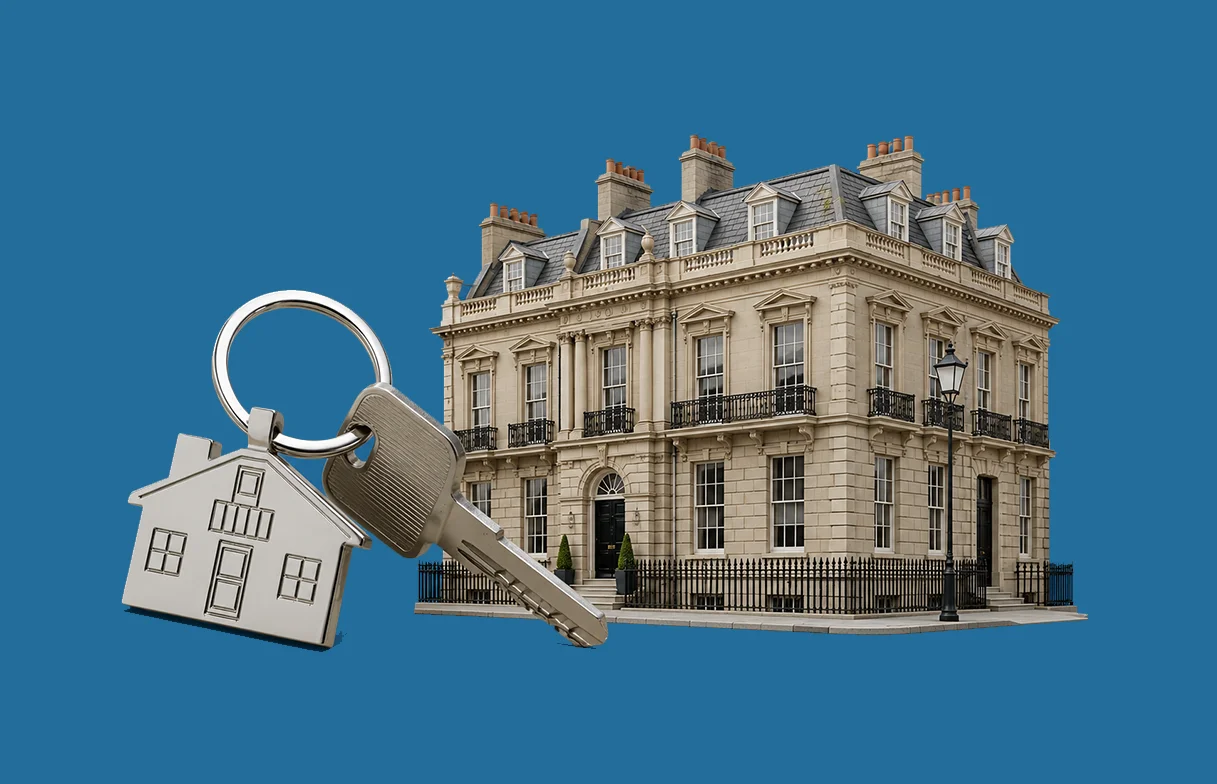
Listed buildings insurance is specialist buildings and contents cover designed for properties on the Statutory List of Buildings of Special Architectural or Historic Interest. Listing, administered in England by Historic England under the Planning (Listed Buildings and Conservation Areas) Act 1990, provides legal protection for buildings of exceptional, important, or special architectural or historic significance.
Equivalent protection applies in Scotland (Historic Environment Scotland), Wales (Cadw), and Northern Ireland (Historic Environment Division).
The core insurance challenge for listed building owners is reinstatement obligation. When a listed building is damaged, the law does not permit the owner to repair or rebuild using cost-effective modern methods and materials.
Reinstatement must use period-appropriate materials and techniques, be carried out by craftspeople skilled in heritage methods, and in most cases requires Listed Building Consent from the local planning authority before work can begin. This dramatically increases both the cost and complexity of any claim, and means that standard home insurance is structurally inadequate for listed properties.
The most important fact about listed buildings and insurance
Standard rebuild calculators, including the BCIS House Rebuilding Cost Calculator used by most mainstream insurers, are calibrated for conventional construction and are unreliable for listed properties.
Using such a calculator risks placing a sum insured that is materially below the true cost of heritage reinstatement. Performance Direct always advises clients against the risk of underinsurance and, as a Chartered Insurance Broker and BIBA member, fulfils all professional obligations to ensure the cover arranged is appropriate for your property.
Your insurer will require an accurate basis for the sum insured; if you are uncertain, your insurer or a qualified surveyor can advise on how to establish an appropriate figure.
Understanding Listing Grades
Grade I
Exceptional Interest
2.5% of all listed buildings in England
Highest statutory protection. Historic England consulted directly on significant works. Reinstatement standards are the most demanding. Grade I rebuild costs typically 40 to 100 percent higher than equivalent Grade II.
Grade II*
Particularly Important
5.8% of all listed buildings in England
Exacting conservation requirements. Many insurers who cover Grade II will not extend to Grade II* without specialist referral. Specialist broker access is essential.
Grade II
Special Interest
91.7% of all listed buildings in England are Grade II
The vast majority of listed homes. Grade II listing still imposes significant conservation obligations that make standard home insurance structurally inadequate. The most common scenario requiring specialist listed buildings insurance.
Why Standard Home Insurance Fails Listed Building Owners
Standard home insurance underwriting systems are calibrated for conventional construction. They cannot account for the additional costs that heritage reinstatement uniquely requires: period-appropriate materials (lime mortar, handmade brick, natural slate, oak timbers), heritage-qualified labour at specialist rates, conservation professional fees at heritage proportions, Listed Building Consent costs, and extended rebuild timescales.
Underinsurance: UK Property Market Context
All UK properties
~70%
Listed buildings typical gap
30-50%+
Rebuild cost rise Jan 2025 (BCIS)
+3.8%
Sources: BCIS Residential Rebuild Cost Index (January 2025); BCIS underinsurance analysis. Listed building underinsurance gap represents the typical disparity between standard calculator estimates and heritage reinstatement costs.
The average clause: the financial mechanism of underinsurance
Most buildings insurance policies contain an average clause. If your property is insured for less than its true rebuild cost, any claim settlement is reduced in the same proportion as the underinsurance ratio. For a listed cottage with a true heritage reinstatement cost of £750,000 but insured for £480,000 (64% of true value), a £200,000 fire damage claim would settle at approximately £128,000, leaving you to fund the remaining £72,000 personally. This applies to partial losses as well as total losses.
Cost element | Why it applies | Typical scale |
|---|
Period-appropriate materials | Conservation requirements mandate like-for-like reinstatement. Lime mortar, handmade brick, natural slate and oak timbers are substantially more expensive than modern equivalents. | Handmade brick: £150-£300/m². Natural slate: significant premium over concrete tile. |
Heritage-qualified labour | Works must be carried out by craftspeople with specialist heritage skills at premium day rates. | Heritage reinstatement labour typically 30-80% above standard construction rates. |
Professional fees at heritage proportions | Conservation architects (10-15% of rebuild cost), specialist structural engineers (3-5%), conservation consultants. Total: 20-30% of rebuild cost versus 10-15% for standard construction. | On a £600,000 heritage reinstatement: professional fees £120,000-£180,000. |
Listed Building Consent process | LBC must be obtained before most reinstatement works begin. Application fees, professional costs, and delays while consent is awaited. | LBC professional costs: £2,000-£10,000+. Delays: weeks to months. |
Extended alternative accommodation | Heritage reconstruction takes 50-100% longer than standard construction. Standard policy accommodation limits assume shorter timescales. | Significant for large Grade I or II* properties. |
Listed Building Consent: Legal Obligations and Insurance Implications
Listed Building Consent is required under the Planning (Listed Buildings and Conservation Areas) Act 1990 before any works affecting the character of a listed building can be undertaken. Only direct like-for-like minor repairs typically do not require consent. Carrying out works without LBC is a criminal offence with powers to require reversal at the owner's cost.
Nation | Listing grades | Consent authority | Heritage body consulted |
|---|
England | Grade I, II*, II | Local Planning Authority | Historic England (Grade I and II* mandatory) |
Wales | Grade I, II*, II | Local Planning Authority | Cadw |
Scotland | A, B, C | Local Planning Authority | Historic Environment Scotland (A-listed mandatory) |
Northern Ireland | A, B+, B1, B2 | Local Council | Historic Environment Division |
What Specialist Listed Buildings Insurance Covers
Heritage rebuild and reinstatement
Full cost of rebuilding or repairing using period-appropriate materials and heritage-qualified labour, assessed with the property's specific construction in mind.
Listed Building Consent costs
Application fees, professional consultant costs, pre-application advice, and any conditions imposed by the planning authority.
Conservation professional fees
Conservation architects, specialist structural engineers and conservation consultants at heritage project rates of 20-30% of rebuild cost.
Extended alternative accommodation
Costs calibrated to actual heritage rebuild timescales, typically 50-100% longer than standard construction.
Archaeological investigation
Where required by the planning authority before or during reinstatement, particularly for properties of medieval or earlier origin.
Standard insured perils
Fire, storm, flood, escape of water, theft, malicious damage, subsidence, heave and landslip, all assessed with understanding of the heritage construction.
How Performance Direct Arranges Listed Buildings Insurance
Our bespoke online quote system collects the key information specialist underwriters need for listed properties, including grade, age, construction materials, specialist features and any known risk history.
Where the property requires more detailed assessment, one of our specialists will contact you to ensure we prepare the most accurate and appropriate quotes for your specific situation.
Bespoke online quote system
Our online quote platform has been designed specifically for non-standard properties. It collects the information heritage underwriters need to assess a listed property accurately, including grade, construction type, specialist features and risk history.
Specialist underwriter market access
We place listed buildings risks with specialist heritage underwriters who are not accessible through comparison platforms. Our panel includes underwriters covering all three listing grades, including Grade I and II* properties that many semi-specialist providers do not quote for directly.
Advice on underinsurance risk
We always advise clients against the serious financial risk of underinsurance and fulfil all professional obligations as a Chartered Insurance Broker to ensure cover is appropriate for the property. If there is a question about the appropriate sum insured, your insurer or a qualified surveyor can advise on how to establish an accurate figure.
Conservation-compliant policy terms explained clearly
Specialist policies often include conditions relating to listed buildings: LBC compliance, maintenance obligations, security requirements. We explain all conditions before you commit, ensuring you understand what the policy requires.
Ongoing support as your circumstances change
Changes to listed properties, planned works, change of use, or any other material change should be notified to your insurer promptly. Our team is available to advise on the insurance implications of any changes to your property or circumstances throughout the life of the policy.
Practical Guidance for Listed Building Owners
Maintenance Obligations
Listed building owners in England and Wales have a legal obligation to maintain the building in a state of good repair. Local planning authorities can serve Urgent Works Notices or Repairs Notices to compel remedial action. For insurance purposes, evidence of poor maintenance can affect the validity of a claim. Escape of water is consistently the most common claims category for listed buildings and among the most preventable through routine maintenance. Regular professional inspections of roofing, gutters and rainwater goods are strongly recommended.
Security for Listed Buildings
Security improvements in listed buildings must not harm the historic fabric and may require Listed Building Consent. Many effective improvements are achievable within conservation constraints: concealed alarm systems, period-sympathetic lock upgrades (five-lever mortice deadlocks as a minimum standard), monitored CCTV and perimeter lighting. Any security improvement should be discussed with your insurer as it may positively influence your premium or affect policy conditions.
Building Preservation Notices
Where a local authority believes an unlisted building may be at risk and of architectural significance, it can issue a Building Preservation Notice providing temporary listed building protection for up to six months while Historic England assesses whether formal listing should be recommended. If you receive a Building Preservation Notice, notify your insurer immediately. The insurance obligations are equivalent to those of a formally listed building.
Pre-Exchange Checklist for Buyers
If you are purchasing a listed property, insurance due diligence should form part of your pre-exchange enquiries alongside the structural survey and conveyancing searches. Key questions include: Has Listed Building Consent been obtained for all works carried out since listing? Is there evidence of unauthorised works requiring consent indemnity insurance? Has the property been subject to any enforcement action? Your conveyancer should request NHLE search results as standard for a listed property transaction.
Other Non Standard Home Insurance We Arrange
Non Standard Hub
All non-standard property types and how specialist insurance works.
Subsidence Insurance
Cover for properties with subsidence history or structural monitoring.
Flat Roof Insurance
Homes where flat roofing exceeds standard policy thresholds.
Unoccupied Property
Cover for empty homes beyond standard vacancy limits.
Barn Conversions
Converted agricultural buildings with heritage construction.
Renovation Insurance
Cover during structural works when standard policies lapse.
Get a Specialist Quote
Our bespoke online system captures the key details for listed properties. For Grade I and II* properties our specialists will contact you to prepare the most appropriate quotes.
Start Your Online Quote
Call Our Specialist Team
Listing Grades at a Glance
Grade I: Exceptional Interest
2.5% of listed buildings. Highest conservation standards. Historic England consultation.
Grade II*: Particularly Important
5.8% of listed buildings. Exacting requirements. Specialist broker access essential.
Grade II: Special Interest
91.7% of listed buildings. Most common. Standard insurance structurally inadequate.
Non Standard Home Insurance
Resources
Historic England NHLE ›
HE: Insuring Historic Buildings ›
BIBA Find Insurance ›
Cadw: Insuring Listed Buildings ›